 +91-7088074346
 info@physiomark.in
 B-12/B, Chaukhandi Rd, Mukerjee Park, Chaukhandi, Tilak Nagar, Delhi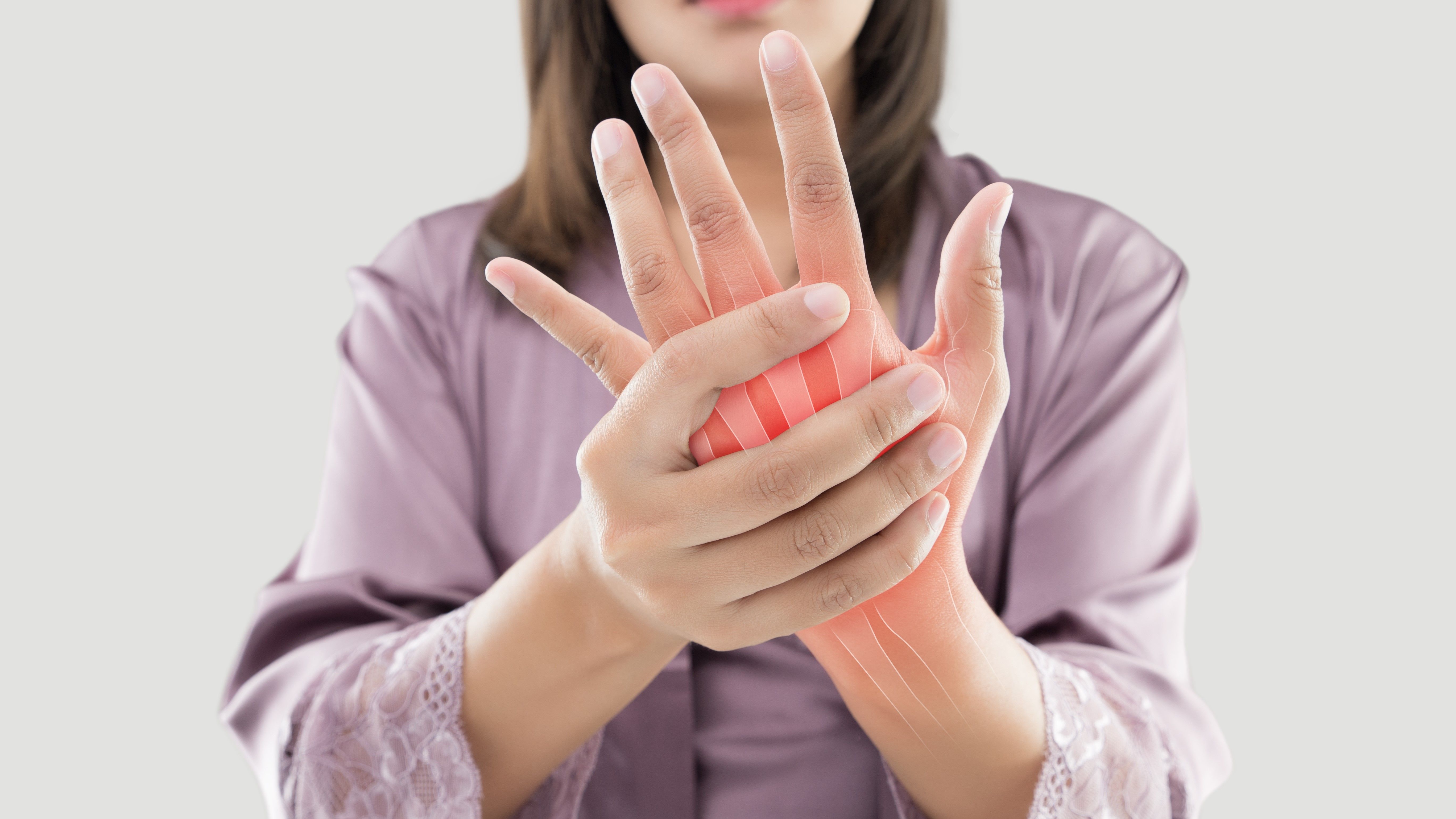

Cervical spondylosis is age-related wear and tear of the neck's bones and discs, causing degeneration, bone spurs, and potential compression of nerves or the spinal cord
Symptoms include neck pain, stiffness, headaches, and numbness or weakness in the arms and hands, though some people have no symptoms. Diagnosis is often confirmed with an X-ray or other imaging. Treatment ranges from medication and physiotherapy to, in severe cases, surgery to relieve nerve compression.
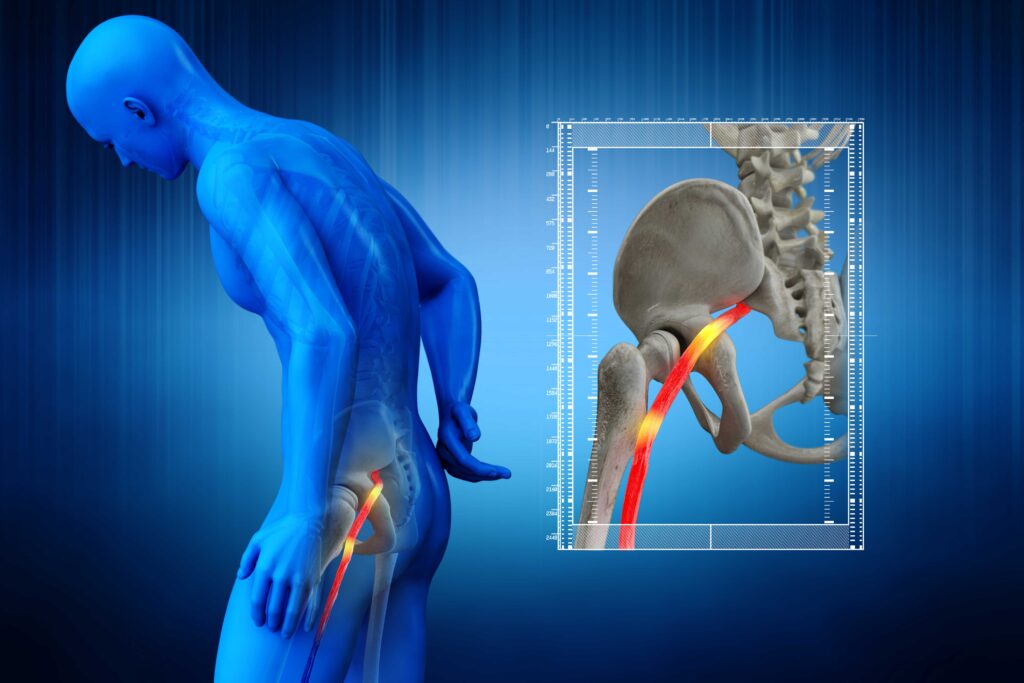
Sciatic pain, or sciatica, is pain that originates from irritation, inflammation, or compression of the sciatic nerve—the longest nerve in the body. The nerve runs from your lower back (lumbar spine), through the buttocks, and down each leg. When the nerve gets pinched — often by a herniated disc, bone spur, or narrowing of the spinal canal — pain, tingling, numbness, or weakness can radiate along its path.
People with sciatica often report a sharp, burning, or shooting pain that travels from the lower back or buttock down into the leg, sometimes reaching the foot. It can feel like an electric shock, or produce a pins-and-needles (tingling) sensation.
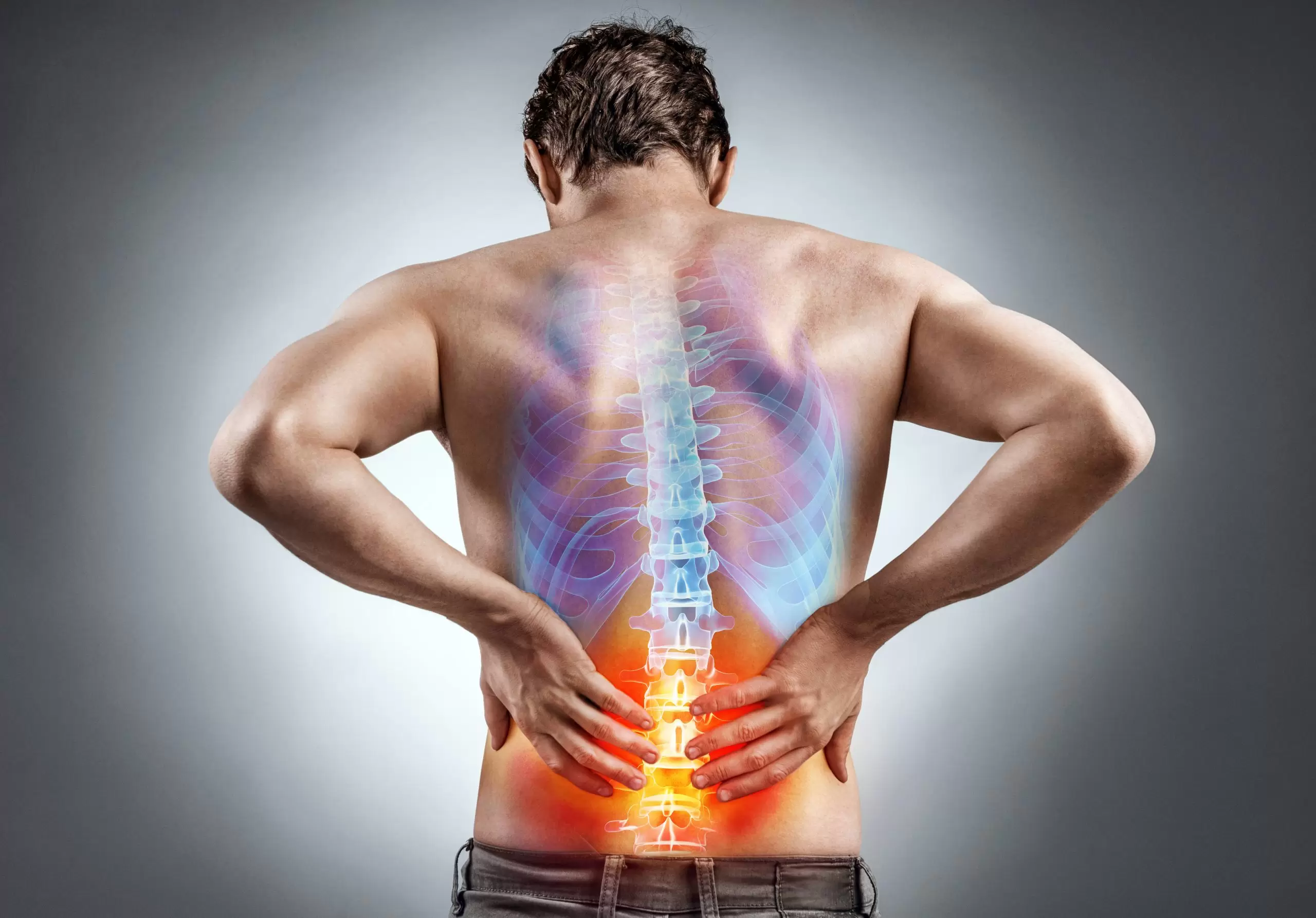
Lumbar PIVD refers to a condition in which one of the intervertebral discs in the lower back (lumbar spine) bulges out, or its inner gel-like nucleus leaks through the outer ring (annulus fibrosus). This bulging (or herniation) can press on nearby nerves, causing pain, numbness, tingling, or weakness that may travel down into the buttocks, thighs, or even the legs. The severity of symptoms depends on how much the disc is protruding, where exactly in the spine it is, and how many nerves are affected.
There are several stages of disc herniation in PIVD. Initially, the disc may just degenerate (losing water content, elasticity) and weaken. Then it may bulge (outer layer stretched but intact), protrude (inner material pushes into but doesn’t break through the annulus).

Tennis elbow, also called lateral epicondylitis or lateral epicondylalgia, is a condition in which the tendons attaching the forearm muscles (especially those used to extend the wrist and fingers) become overloaded, micro-damaged or irritated where they attach to the outside (lateral) part of the elbow.
Common symptoms include pain and tenderness on the outer elbow (lateral epicondyle), which may spread into the forearm; pain is often worse when gripping objects, squeezing, lifting, twisting the wrist, or performing tasks like opening jars or using tools. There may be weak grip strength, discomfort during specific movements, and sometimes swelling.

Cupping therapy is an ancient healing technique in which special cups (made of glass, silicone, bamboo, plastic, or metal) are placed on the skin to create suction. The suction pulls the skin and underlying tissue upward, increasing blood flow to the area, loosening tight muscles, and helping to ease pain, stiffness, and tension
Improves circulation and promotes healing by bringing more blood flow to treated areas.Assists in reducing inflammation, and some believe it supports removal of metabolic waste or “stagnant” fluid through enhanced lymphatic flow
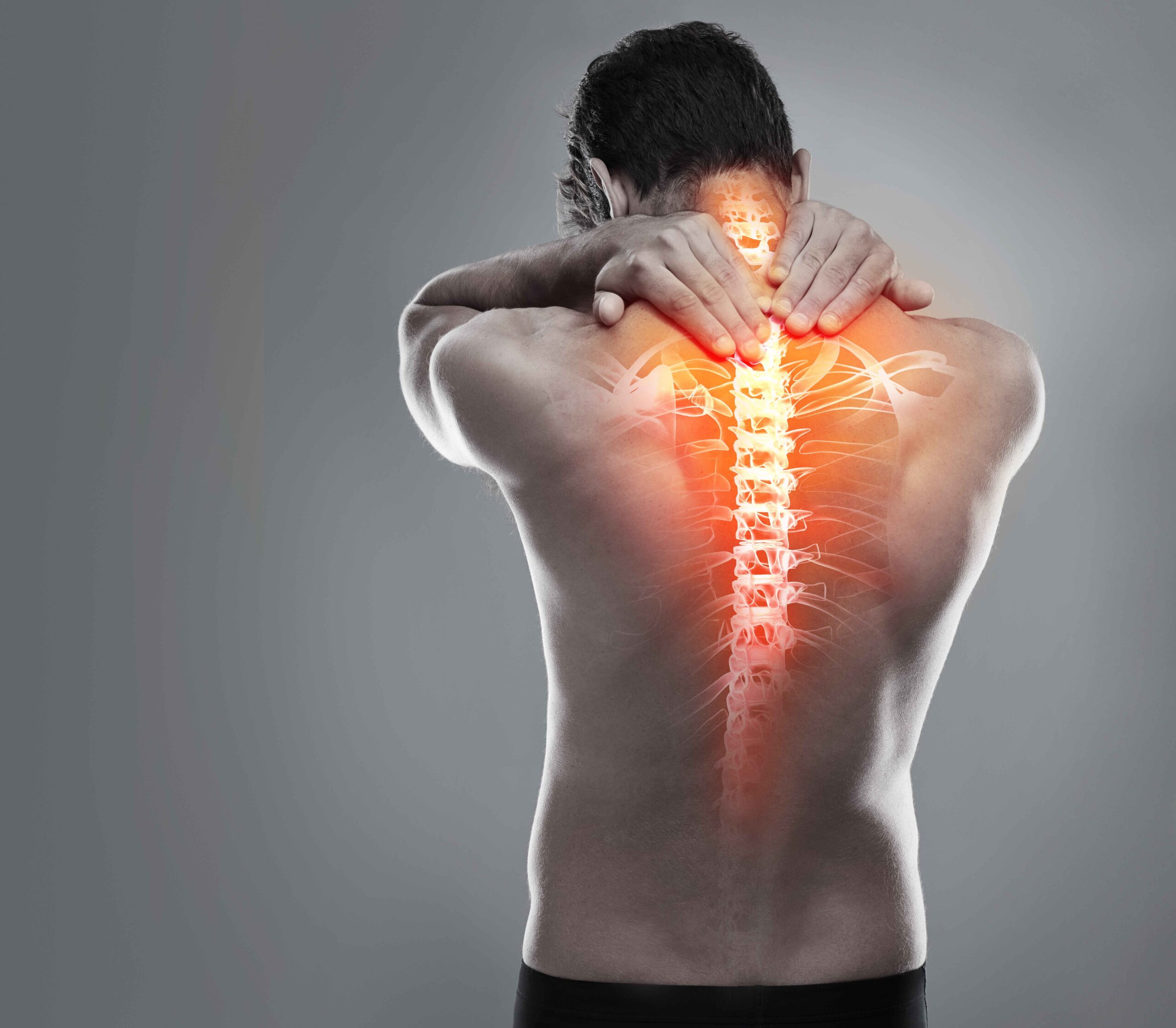
Neck pain, or cervicalgia, is a common condition affecting individuals of all ages. It can manifest as a persistent ache, sharp stabbing pain, or a burning sensation that may radiate into the shoulders or arms. Other associated symptoms include stiffness, reduced range of motion, headaches, and numbness or tingling in the extremities.
Muscle Strain: Overuse, poor posture, or sleeping in an awkward position can strain neck muscles.Degenerative Diseases: Conditions like osteoarthritis or spinal stenosis can lead to neck pain.Injuries: Whiplash from accidents or sudden jerks can damage neck structures.Herniated Discs: A bulging disc can press on nerves, causing pain.Stress: Emotional stress can lead to muscle tension in the neck and shoulders.